Distinction in the Age of AI: What Shrinkflation Teaches Us About Branding
7/28/2026
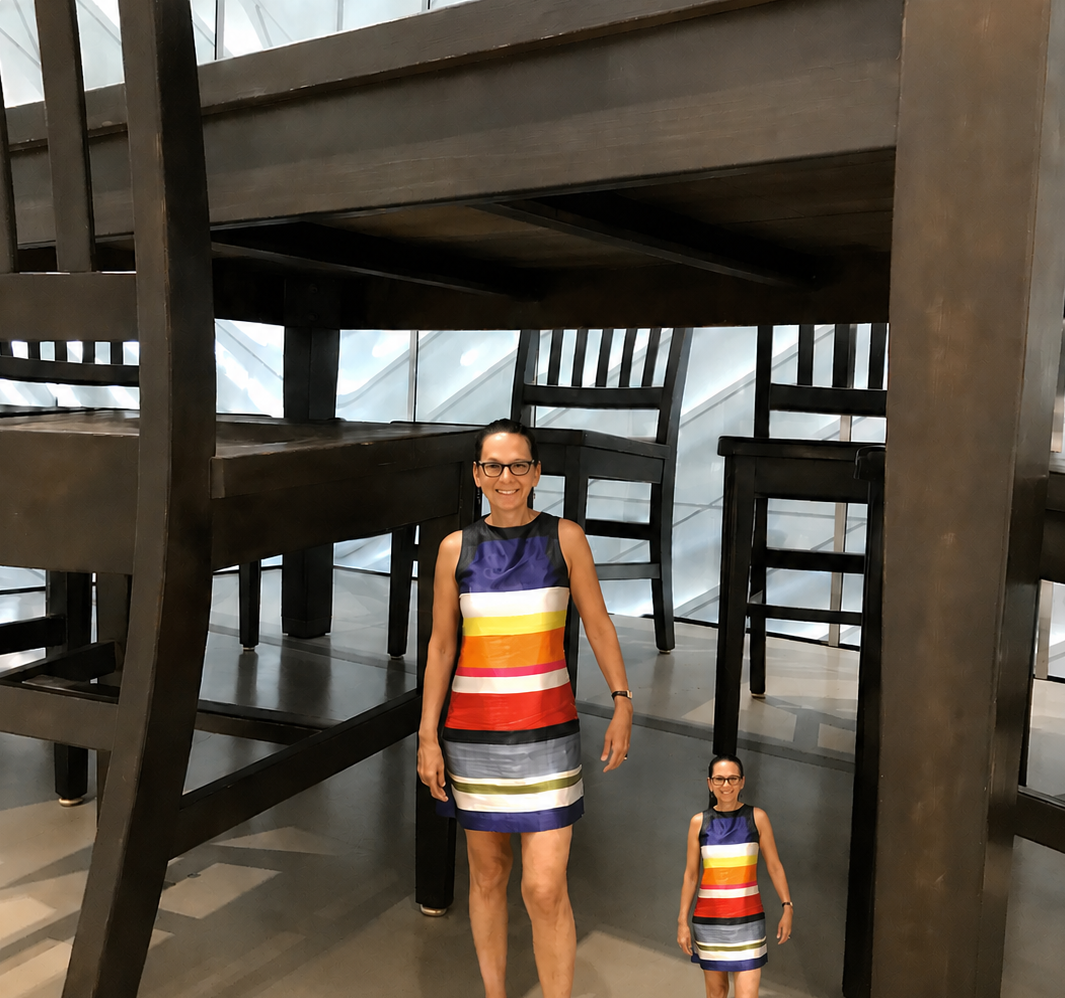
The word shrinkflation immediately caught my attention. Not because of economics, but because of what it reveals about perception. Every so often a new word appears that perfectly captures something we've all experienced but never had a name for. Shrinkflation is one of those words. A product looks the same. The packaging is familiar. The price may even be unchanged. Yet, over time, you realize you're getting a little less than you once did.
That idea stayed with me—not because of groceries or consumer products, but because I began to wonder whether something similar is happening in branding.
We're living through one of the most transformative periods I've seen in my career. Artificial intelligence is changing the way we work, and I believe that's something to embrace. I use AI every day to research, organize information, explore ideas, and eliminate repetitive tasks. It gives me more time to think, question, and create. More importantly, it has prompted me to think more carefully about where the enduring value of design really lies.
For years, beautifully executed design was itself a competitive advantage. Today, polished work has become far more accessible. Logos, websites, presentations, and marketing materials can be created more quickly than ever before, often to a remarkably high standard. That's real progress. But it also raises an interesting question: If everyone has access to the same powerful tools, where does distinction come from?
I don't believe it comes from the tools. It comes from understanding.
After more than forty years of helping organizations define and express their brands, I've learned that the conversation rarely ends where it begins. What starts as a discussion about a logo often becomes a conversation about culture, purpose, values, and identity.
The strongest brands aren't invented. They're discovered.
Every organization has its own history, personality, aspirations, and way of creating value. The role of the designer is to uncover those qualities, distill them to their essence, and express them in a way that is authentic and unmistakably true to that organization. Paul Rand famously described a logo as a company's 'silent ambassador.' I've always loved that idea because an ambassador doesn't simply identify—it represents. It shapes perception long before anyone has a conversation with the organization it represents.
That's why the visible expression of a brand matters so much. A logo, a website, typography, imagery, color, and language become the public face of an organization. When they grow out of genuine understanding, they create recognition, trust, and emotional connection. When they don't, they may still look polished, but they risk becoming interchangeable. If you removed the company name, could the identity belong to almost anyone?
Which brings me back to shrinkflation.
Perhaps the greatest risk isn't that design becomes less beautiful. In many ways, it has never looked more polished. The risk is that we begin to confuse appearance with substance. We assume that because something looks complete, it is complete.
As beautifully executed work becomes more accessible, the value of design shifts. It no longer lies simply in producing polished work. It lies in revealing what makes an organization distinctive and expressing it in a way no one else could honestly claim. The organizations that stand out will be those that understand who they are and have the discipline to express that identity with clarity and consistency.
Technology will continue to make us faster, and I welcome that. But curiosity, empathy, judgment, and the ability to distill complexity into clarity remain profoundly human qualities. They are the qualities that create brands people remember.
Perhaps that's the real lesson hidden inside the idea of shrinkflation. The greatest value isn't found in what becomes easier to produce. It's found in what can never be reduced.
By Janet Odgis
That idea stayed with me—not because of groceries or consumer products, but because I began to wonder whether something similar is happening in branding.
We're living through one of the most transformative periods I've seen in my career. Artificial intelligence is changing the way we work, and I believe that's something to embrace. I use AI every day to research, organize information, explore ideas, and eliminate repetitive tasks. It gives me more time to think, question, and create. More importantly, it has prompted me to think more carefully about where the enduring value of design really lies.
For years, beautifully executed design was itself a competitive advantage. Today, polished work has become far more accessible. Logos, websites, presentations, and marketing materials can be created more quickly than ever before, often to a remarkably high standard. That's real progress. But it also raises an interesting question: If everyone has access to the same powerful tools, where does distinction come from?
I don't believe it comes from the tools. It comes from understanding.
After more than forty years of helping organizations define and express their brands, I've learned that the conversation rarely ends where it begins. What starts as a discussion about a logo often becomes a conversation about culture, purpose, values, and identity.
The strongest brands aren't invented. They're discovered.
Every organization has its own history, personality, aspirations, and way of creating value. The role of the designer is to uncover those qualities, distill them to their essence, and express them in a way that is authentic and unmistakably true to that organization. Paul Rand famously described a logo as a company's 'silent ambassador.' I've always loved that idea because an ambassador doesn't simply identify—it represents. It shapes perception long before anyone has a conversation with the organization it represents.
That's why the visible expression of a brand matters so much. A logo, a website, typography, imagery, color, and language become the public face of an organization. When they grow out of genuine understanding, they create recognition, trust, and emotional connection. When they don't, they may still look polished, but they risk becoming interchangeable. If you removed the company name, could the identity belong to almost anyone?
Which brings me back to shrinkflation.
Perhaps the greatest risk isn't that design becomes less beautiful. In many ways, it has never looked more polished. The risk is that we begin to confuse appearance with substance. We assume that because something looks complete, it is complete.
As beautifully executed work becomes more accessible, the value of design shifts. It no longer lies simply in producing polished work. It lies in revealing what makes an organization distinctive and expressing it in a way no one else could honestly claim. The organizations that stand out will be those that understand who they are and have the discipline to express that identity with clarity and consistency.
Technology will continue to make us faster, and I welcome that. But curiosity, empathy, judgment, and the ability to distill complexity into clarity remain profoundly human qualities. They are the qualities that create brands people remember.
Perhaps that's the real lesson hidden inside the idea of shrinkflation. The greatest value isn't found in what becomes easier to produce. It's found in what can never be reduced.
By Janet Odgis